Why Southern MD Small Businesses Are Struggling, Brian Jordan for Congress
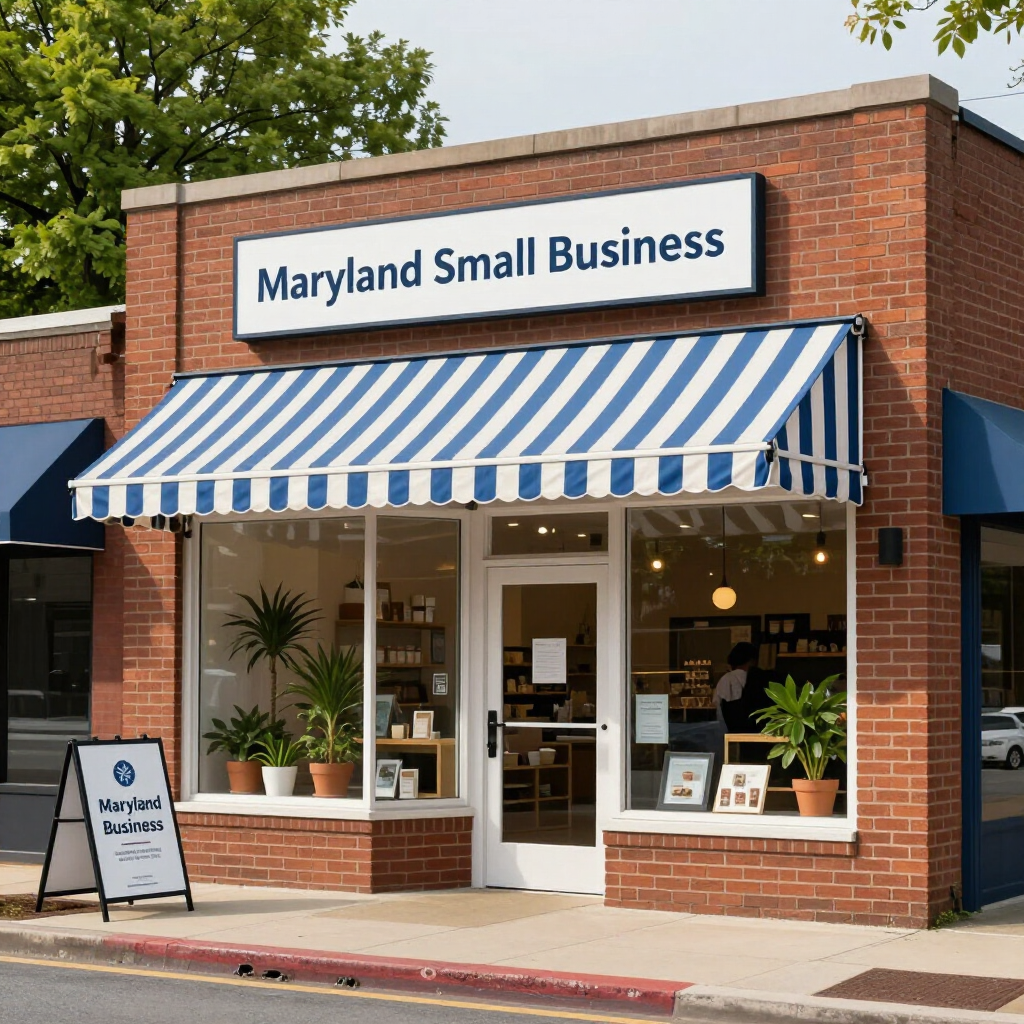
Why Southern Maryland Small Businesses Are Struggling — And What Congress Can Do
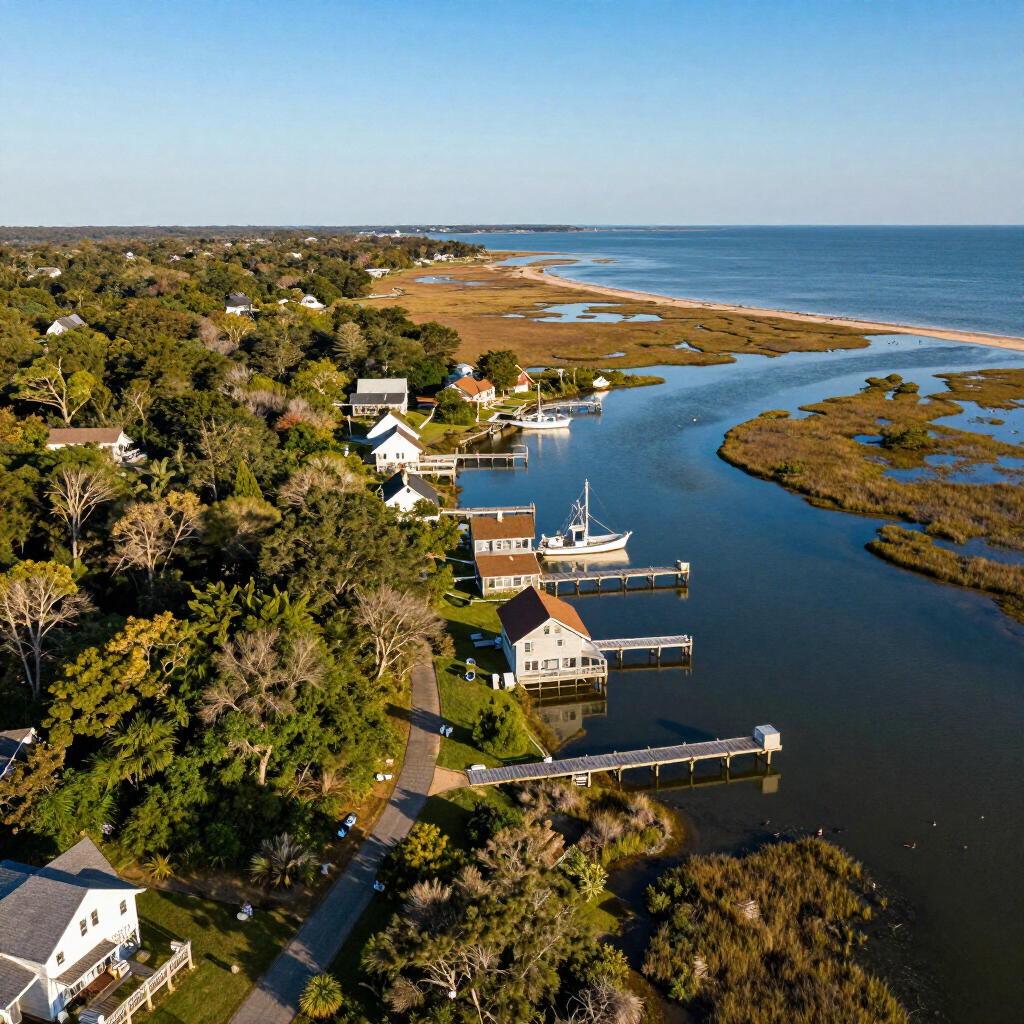
Southern Maryland has always had a strong entrepreneurial spirit. From the watermen working the Chesapeake to the contractors building homes across Calvert, Charles, and St. Mary's counties, small businesses are the backbone of this region's economy. But that backbone is under serious strain — and the people in Washington aren't doing enough about it.
As a small business owner myself, I don't need a policy brief to understand what's happening. I've lived it. I've seen firsthand how rising costs, regulatory red tape, and lack of access to capital are slowly squeezing the life out of businesses that have served this community for decades. If we want Southern Maryland to thrive, Congress needs to stop talking and start acting.
The Real Challenges Facing Southern Maryland Small Businesses
Before we can fix the problem, we have to name it. Southern Maryland's small business owners are up against a combination of pressures that didn't appear overnight — they've been building for years while Washington looked the other way.
Rising Operating Costs
Fuel, materials, insurance, and labor costs have increased significantly in recent years. For a small roofing company in Leonardtown or a family-owned restaurant in Prince Frederick, those increases aren't abstract numbers on a spreadsheet — they're the difference between keeping the doors open and closing them. Large corporations can absorb these shocks. Small businesses often can't.
Tax Burdens That Don't Match the Playing Field
The current federal tax structure was not designed with the solo entrepreneur or the 10-person operation in mind. Small businesses carry a disproportionate share of the tax burden compared to large corporations that employ entire legal teams to minimize their liability. A local plumber in Waldorf shouldn't be outmaneuvered by a loophole available only to companies with billion-dollar balance sheets.
Limited Access to Capital
Ask any small business owner in Southern Maryland what keeps them from expanding and you'll hear the same answer: money — or the lack of it. Traditional bank loans are harder to qualify for than they were a generation ago. SBA loan processes are slow and paperwork-heavy. Meanwhile, the businesses that need capital the most — the startups, the sole proprietors, the women- and veteran-owned businesses — are the ones most often turned away.
Regulatory Overload
Federal regulations aren't inherently bad. But when a small contractor in Charles County has to navigate the same compliance requirements as a multinational construction firm, something has gone wrong. Regulatory compliance costs time and money that small businesses simply don't have to spare. Every hour spent on paperwork is an hour not spent serving customers or growing the business.
Workforce Shortages and Skills Gaps
Southern Maryland businesses consistently report difficulty finding qualified workers. With Naval Air Station Patuxent River drawing technical talent from across the region, local businesses — particularly in trades, healthcare, and hospitality — are competing for a smaller labor pool. Without a congressional strategy to grow and retain local workforce talent, this problem will only deepen.
What Congress Can and Should Do
The federal government isn't going to solve every problem Southern Maryland businesses face. But there are concrete, achievable steps that a representative who actually understands small business — not just talks about it — can take to make a real difference.
1. Meaningful Tax Relief for Small Businesses
Congress should expand and make permanent the small business tax deductions that actually benefit Main Street operators, not just Wall Street. That means stronger expensing rules for equipment and capital investment, simplified filing structures for sole proprietors, and closing the loopholes that give large corporations an unfair advantage. A small business in Hollywood, Maryland should not pay a higher effective tax rate than a Fortune 500 company.
2. Faster, Simpler Access to Capital
The SBA loan process needs to be modernized. Applications should be faster, documentation requirements should be proportional to loan size, and approval timelines should be measured in days — not months. Congress should also increase funding for Community Development Financial Institutions (CDFIs), which serve small and minority-owned businesses that traditional banks often overlook. Southern Maryland has underserved entrepreneurs who deserve better than the current system.
3. Right-Sizing Regulation
Not every regulation that applies to a large enterprise should apply equally to a business with five employees. Congress should establish a tiered regulatory review process that exempts or modifies requirements for businesses below certain revenue and employee thresholds. That's not deregulation for its own sake — it's commonsense policy that lets small businesses compete on a level playing field.
4. Workforce Development Tied to Local Industry
Southern Maryland's economy is built around defense, maritime industries, agriculture, and construction. Congress should be funding vocational and technical training programs that feed directly into the jobs that are available here — not one-size-fits-all programs designed in Washington that don't match the workforce needs of a region like ours. Partnerships between community colleges like College of Southern Maryland and local employers should be incentivized, not just mentioned in press releases.
5. Leveraging Pax River for Regional Economic Growth
Naval Air Station Patuxent River is one of the most significant federal assets in all of Southern Maryland, and its potential as a driver of small business growth remains largely untapped. Congress should be actively working to create innovation pipelines between Pax River's research and development mission and the local business community — connecting entrepreneurs with contracting opportunities, technology transfer programs, and federal procurement pathways that currently favor larger firms.
Why This Matters — And Why It Requires Real Representation
Southern Maryland's small businesses don't need a congressman who reads about their problems in a briefing document. They need someone who has stood where they're standing — who knows what it's like to make payroll, navigate a regulatory filing, and figure out how to grow a business without a safety net.
I've built businesses. I've invented products out of necessity. I know that the federal government is often more obstacle than ally for the people actually creating jobs in this district. That has to change.
The 5th District deserves a representative who will fight for the entrepreneurs in La Plata, the shop owners in Lexington Park, the tradespeople in Dunkirk — not for the lobbyists and party donors who fund campaigns but never set foot in Southern Maryland.
Small businesses are not a talking point. They are our communities. And it's time Congress started acting like it.
Frequently Asked Questions
What is the biggest challenge for small businesses in Southern Maryland right now?
Rising operating costs, limited access to capital, and an uneven tax structure are the three most common challenges cited by Southern Maryland small business owners. Regulatory compliance burden and workforce shortages are also significant pain points, particularly for businesses in the trades and healthcare sectors.
What can Congress do to help small businesses access funding?
Congress can reform the SBA loan process to reduce paperwork and speed up approvals, increase funding for community lending institutions that serve underserved entrepreneurs, and create targeted grant programs for veteran-, women-, and minority-owned small businesses in districts like Maryland's 5th.
How do federal regulations hurt small businesses?
Federal regulations designed for large corporations are often applied uniformly to businesses of all sizes, creating a compliance burden that small businesses lack the resources to manage. A tiered regulatory approach — where requirements scale with business size and revenue — would reduce that burden without eliminating necessary protections.
What role does Pax River play in Southern Maryland's small business economy?
Naval Air Station Patuxent River is a major regional employer and a hub for defense research and development. Congress can create stronger pathways for local small businesses to access federal contracting opportunities tied to Pax River's mission, helping distribute the economic benefits of the base more broadly across Calvert, Charles, and St. Mary's counties.
Why is Brian Jordan running for Congress in Maryland's 5th District?
Brian Jordan is a Naval veteran, inventor, and small business owner from Southern Maryland running as an Independent candidate for Maryland's 5th Congressional District. He believes the district needs a representative focused on constituent needs rather than party agendas — someone with real-world business and leadership experience who will prioritize working families and local entrepreneurs.
NEWS